
Buy Ammo by the Case Now and Lock In the Lowest Price Per Round
You’re stocking the safe for a long weekend at the range, and the last thing you want is to run dry by Sunday afternoon—so you buy ammo 9mm Ammo for Sale by the case, locking in a bulk supply that keeps your mags full without constant reordering. Each case arrives as a sealed, standardized crate of hundreds or thousands of rounds, typically split into smaller boxes that you can grab and go, making it a straightforward way to feed high-volume shooting sessions or multiple firearms at once. The real payoff is the per-round cost dropping sharply versus single boxes, letting you burn through more practice without flinching at the receipt. **Ammo by the case turns your shooting habit from a series of pricey pit stops into a single, decisive supply drop that’s ready when you are.
Why Buying Bulk Ammunition Saves More Than Just Money

Buying ammo by the case saves more than money—it saves your consistency, your range time, and your muscle memory. When you buy in bulk, you lock in one lot number, meaning every round shares identical powder, primer, and projectile specs, so your point of aim doesn’t shift between boxes. This eliminates the frustrating flyers caused by mixed manufacturing batches, letting you trust your zero and focus purely on trigger control. A case also guarantees you never cut a practice session short due to low stock, preserving your training momentum and preventing bad habits from rushed, ammo-conscious shooting. Instead of nickel-and-diming yourself with single boxes, a case keeps your skills sharp and your mind clear. Q: Why does ammo by the case beat individual boxes for practice? A: Because a single lot means predictable ballistics, so your shot-to-shot consistency improves without re-zeroing or second-guessing your gear.
Breaking Down the Per-Round Cost Difference Between Boxes and Cases
The core financial advantage of buying ammo by the case emerges when you calculate the per-round cost difference between individual boxes and bulk packaging. A standard 20-round box might run $18, translating to $0.90 per round; the same ammunition in a 200-round case often drops to $150, or $0.75 per round. That $0.15 saving multiplies across every box you would have purchased, meaning for every four boxes you buy separately, you effectively get one free. With a case, you also eliminate the small-retail markup that pays for individual box handling and shelf restocking. The price gap widens further with premium defensive loads, where case pricing consistently shaves 10–20% off the base box rate, directly rewarding your upfront investment in bulk quantity.
How Bulk Purchasing Cuts Down on Shipping Fees and Per-Order Charges
Shipping fees and per-order charges scale sublinearly with case purchases, meaning a single transaction for 1,000 rounds typically incurs a flat rate or a lower cost-per-pound than five separate 200-round orders. Retailers often waive handling fees entirely when order value crosses a threshold, which bulk ammo cases are designed to meet. Consequently, the per-box shipping cost drops from roughly $2–$4 in small shipments to under $0.50 when buying by the case. You pay one box’s worth of logistics overhead per case, not per individual box. Consolidating into one checkout also eliminates repeated credit-card processing fees and packing materials, directly reducing the total landed cost per round.
Q: How does bulk purchasing cut down on per-order charges for ammo?
A: By replacing multiple small transactions with a single case order, you avoid paying the fixed handling, payment, and packaging fee each time, spreading that fixed cost across far more rounds and slashing the effective fee per bullet.
The Convenience Factor: Stocking Up Once Instead of Monthly Store Runs
Buying ammunition by the case eliminates the recurring friction of monthly store runs, letting you consolidate a single, deliberate purchase that covers months of range time or training. Instead of budgeting a trip every few weeks, you archive that logistical chore entirely, freeing weekends for actual shooting rather than shelf-scanning. Stocking up once transforms ammunition procurement from a recurring errand into a one-time event, which also means you always have a consistent lot number—reducing variable point-of-impact shifts between batches. You pay for convenience not in price, but in upfront storage and cash-flow planning. A single delivery to your door replaces multiple gas-guzzling, time-sapping excursions, and the peace of mind from never facing an empty ammo can before a planned session is invaluable.
Understanding Case Packaging: Calibers, Quantities, and Configurations
Understanding case packaging for ammo by the case begins with caliber-specific box counts, as manufacturers standardize quantities per caliber—for example, 9mm typically ships 1,000 rounds per case, while .22 LR often arrives in 5,000-round cases. Case configurations also vary by packaging style: loose-packed rounds in bulk bags, cardboard trays with 50-round boxes, or sealed military-style cans. Quantities per case directly affect per-round cost and storage footprint, so verifying the exact round count before purchase is critical. Always confirm the caliber and count on the case label, as mixed-configuration cases may combine different box sizes within one master carton. Additionally, case dimensions influence shelf space and shipping weight, which matters for bulk storage planning. Knowing whether your case uses styrofoam inserts, cardboard dividers, or plastic trays specialty sports and supply helps you plan for reloading or range-day distribution. Ultimately, matching the case packaging to your consumption rate ensures efficient use and minimal waste.
Standard Case Sizes for Pistol, Rifle, and .22 LR Cartridges
Standard case sizes for pistol cartridges typically hold 500 or 1,000 rounds, with 9mm and .45 ACP often packed in 500-round or 1,000-round cases (e.g., five 100-round boxes or ten 50-round boxes). Rifle cartridges like .223 Remington/5.56 NATO are commonly shipped in 500-round cases (twenty 25-round boxes), while magnum rifle rounds (.300 Win Mag) usually come in 200-round cases. .22 LR cases are the largest by count, with standard case sizes of 5,000 or 5,250 rounds, often divided into 50-round boxes. These counts reflect weight and handling limits, ensuring consistent ammo by the case logistics. Q: What is the standard case count for 9mm pistol ammunition? A: Most manufacturers use 1,000 rounds, though 500-round cases are also common.
Factory Sealed vs. Loose Pack: What’s Inside the Cardboard Box
When you order ammo by the case, the cardboard box tells you exactly what to expect. A **factory sealed case** means the manufacturer’s own packaging remains unbroken, guaranteeing every cartridge came off the same line in the same lot—ideal for match shooters who demand consistent headspace and powder charge. Loose pack, by contrast, is bulk ammunition dumped directly into a plain box, often by a distributor, which lowers cost but sacrifices lot homogeneity. You’ll frequently find loose pack in cheaper training rounds, where the lack of original trays means extra rattling but no functional loss. Always check if the outer seal is intact; a taped box signals repackaging, not true factory condition.

Factory sealed preserves lot integrity 9.3x62mm Mauser Ammo for Sale and original trays; loose pack trades that for lower price and less protection.
How Many Rounds Fit in a Crate Versus a Flat-Rate Case
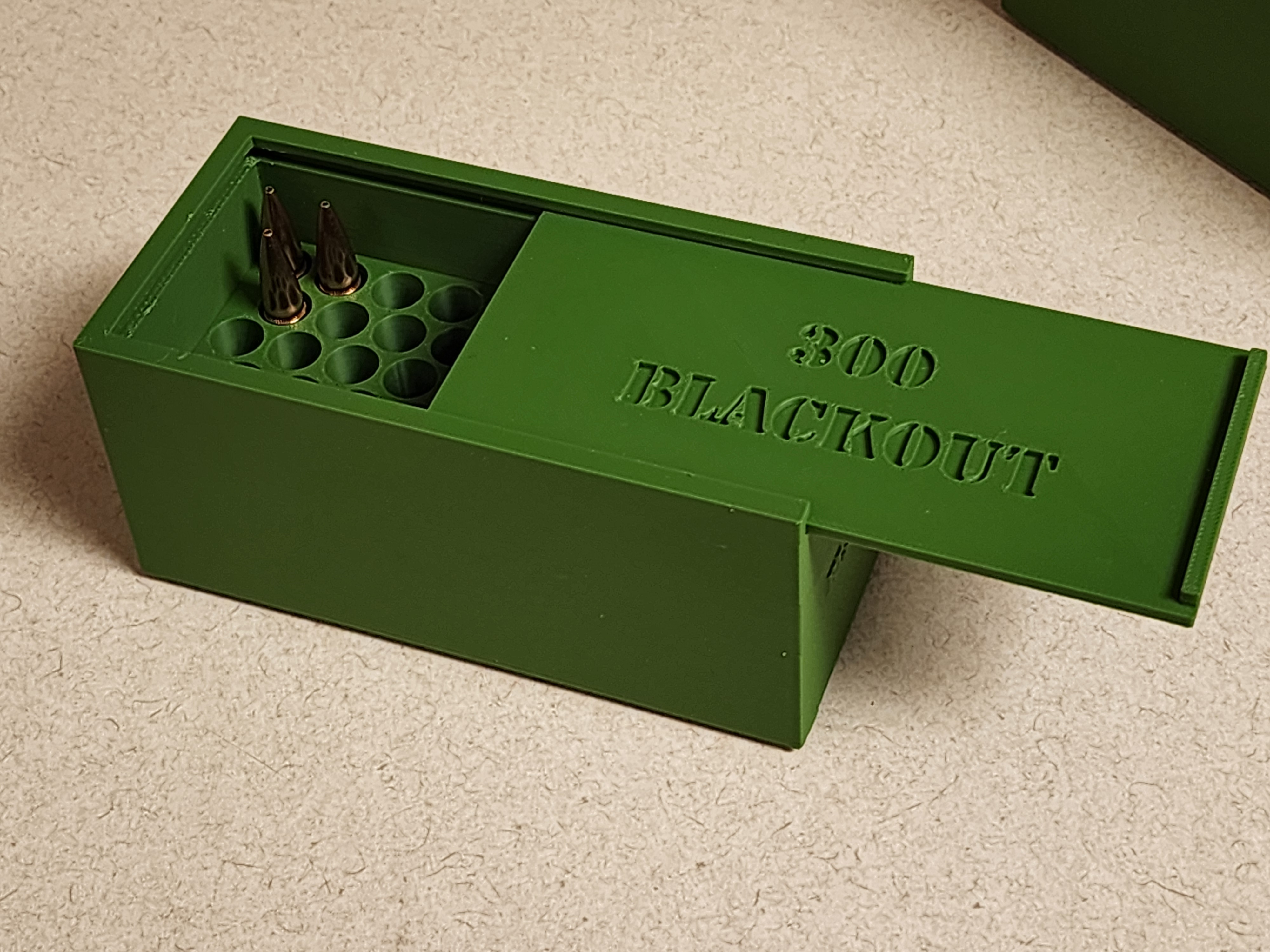
A standard military-style crate typically holds 1,200 rounds of 5.56mm, packed in 200-round metal cans, while a flat-rate case—such as a USPS-legal ammo box—holds about 500 rounds of the same caliber due to weight and dimensional limits. For 9mm, a crate commonly fits 2,000 rounds (four 500-round boxes), whereas a flat-rate case maxes out near 1,000 rounds. The difference hinges on volume versus weight capacity: crates prioritize bulk storage, flat-rate cases prioritize fixed shipping dimensions. Heavier calibers like .308 reduce both—a crate holds 600, a flat-rate case holds 200. The practical takeaway is to choose based on transport method, not just price per round.
How to Pick the Right Bulk Bundle for Your Firearm’s Needs
Start by matching the bulk ammo case to your firearm’s specific caliber and action type, then verify the projectile weight against your barrel’s twist rate for consistent accuracy. For high-volume training, choose a case with 500–1,000 rounds of FMJ, prioritizing a reputable manufacturer with crimped or sealed primers to avoid malfunctions in semi-autos. If the bundle is for defensive or hunting use, select a bonded or monolithic bullet design that feeds reliably and expands at your barrel length. Check the lot number on the case; consistent headstamps and uniform cartridge length signal quality control. Finally, calculate per-round shipping cost—a true right bulk bundle for your firearm saves money only if the total landed price beats local boxed ammo. Never buy a mixed-headstamp case 9×18 Makarov Ammo for Sale for a precision rifle.
Choosing Between Brass, Steel, and Aluminum Casings in Large Lots
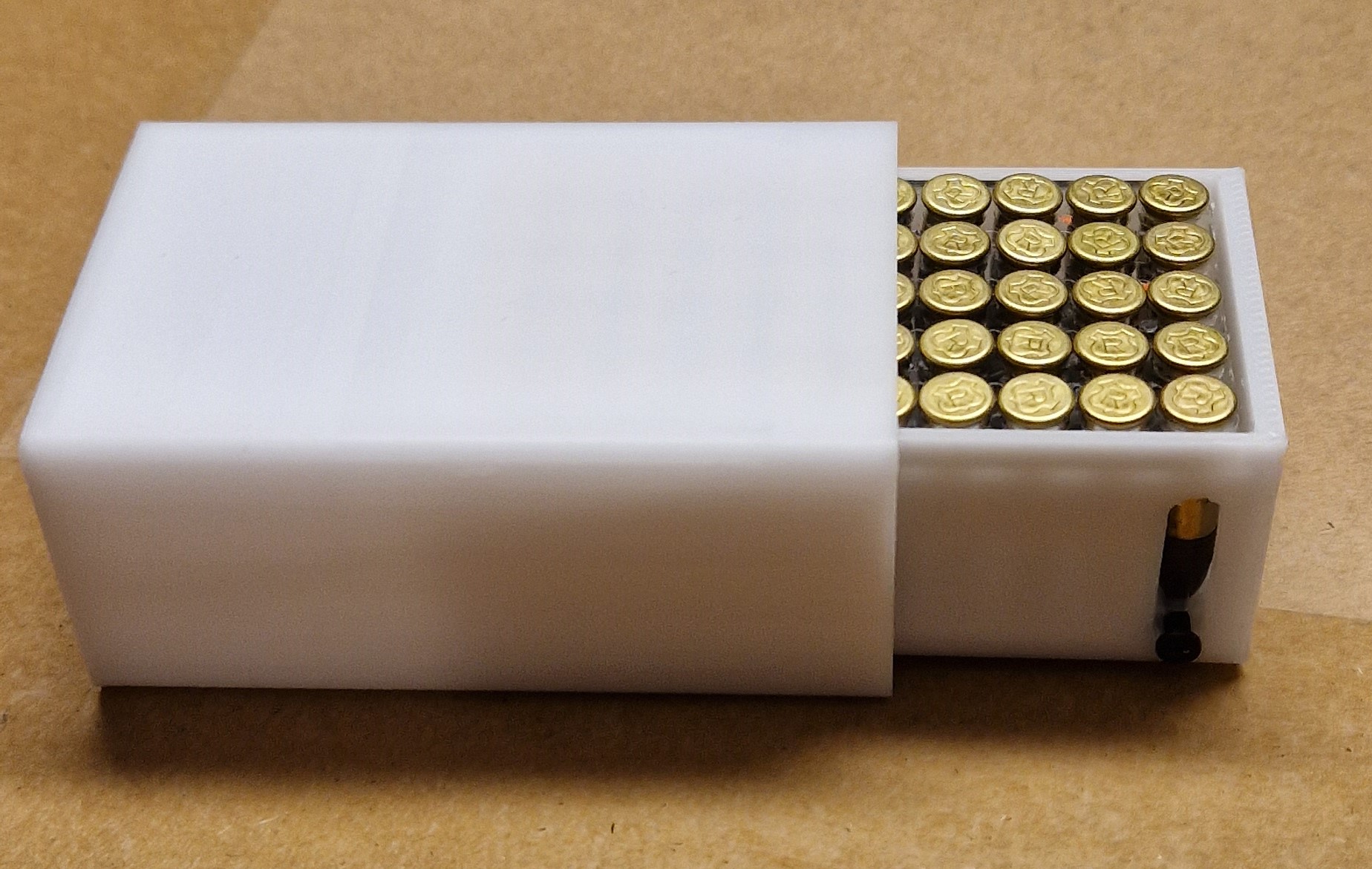
When ordering ammo by the case, the casing material dictates both cost-per-round and firearm longevity. Brass casings, 7mm Rem Ultra Mag Ammo for Sale while pricier in bulk, offer superior reloadability and reliable extraction, making them the logical choice for high-volume shooters who plan to process spent cases. Steel casings, often with a polymer coating, reduce upfront expenditure significantly but accelerate extractor wear and are non-reloadable, so factor in replacement parts. Aluminum casings sit between the two—lighter and cheaper than brass, but prone to swelling in warm chambers, which can cause stuck cases. For large lots, compute total lifecycle cost: brass’s resale value often offsets its initial premium, whereas steel and aluminum mandate disposal costs.
| Casing | Bulk Cost | Reloadability | Primary Risk |
|---|---|---|---|
| Brass | Highest | Yes (multiple times) | Upfront expense |
| Steel | Lowest | No | Extractor wear |
| Aluminum | Mid | No | Chamber sticking |
Matching Bullet Grain Weight and Velocity for Your Specific Gun Setup
When buying ammo by the case, matching bullet grain weight to your barrel’s twist rate and intended velocity is the first step toward consistent accuracy. A 55-grain load in .223 Remington will stabilize optimally in a 1:12 twist, while heavier 77-grain projectiles demand a faster 1:7 twist; firing them from a mismatched barrel causes keyholing and poor groups. Velocity also shifts with grain—lighter bullets exit faster but shed energy quickly, whereas heavier loads retain momentum at range, altering your zero. Test two or three grain weights at your typical engagement distance, then chronograph them to confirm your rifle’s sweet spot before committing to a bulk purchase. Case-lot consistency in grain and velocity ensures your scope dope remains valid across every round in the crate.
New Production vs. Surplus Options for Cost-Conscious Shooters
When you’re buying ammo by the case, the new versus surplus debate comes down to how you shoot. Surplus cases save you real 6mm Remington Ammo for Sale cash, but they’re often corrosive-primed, older, or inconsistent—fine for blasting steel or burning through a weekend plinking session. New production costs more up front but gives you reliable, non-corrosive ammo by the case that’s easier on your barrel and your cleaning routine. If you’re strictly training for accuracy or self-defense, new is the safer bet. For pure volume and budget fun, surplus stretches your dollar further. Weigh your rifle’s tolerance for dirt and your time scrubbing carbon before committing to a full case.
Surplus saves money but adds maintenance; new costs more but keeps your firearm cleaner—choose based on your shooting style.
Storing Your Bulk Stockpile Safely: Humidity, Temperature, and Rotation
When you buy ammo by the case, your first job is keeping moisture out. Humidity is the silent killer—it corrodes brass and degrades primers, so store cases off concrete floors and inside sealed ammo cans with desiccant packs. Temperature swings are equally bad; a stable, cool space (ideally 50–70°F) prevents condensation from forming inside the boxes and keeps powder burn rates consistent. Finally, rotation is non-negotiable: mark each case with its purchase date and shoot the oldest first, because even factory new rounds lose potency over years. Pull a case from the back of your stash every few months and test-fire a few rounds—if they group tighter or feel hotter, your storage is drifting. Stack cases vertically, not flat, to let airflow circulate, and check your hygrometer weekly. Do this, and your bulk buy stays as reliable as the day you got it.
Ideal Storage Containers and Locations to Prevent Corrosion
For case-level ammo, your first line of defense is a **military-surplus steel ammo can** with a rubber gasket, as it creates a near-hermetic seal against humid air. Avoid paper or cardboard boxes for long-term storage—they wick moisture directly onto brass. Inside the can, stand cartridges on their primer or keep them in factory trays, never loose, to minimize contact points. Place silica gel desiccant packs (rechargeable) vertically between rows, but don’t let them touch the cases. For location, choose a basement’s interior wall, away from concrete floors and exterior walls that sweat. A climate-controlled closet on a high shelf beats a cold garage. Elevate cans on wooden pallets or plastic shelving—never directly on the ground—to dodge condensation and groundwater migration.
Proper Ammo Rotation Strategies to Use Oldest Rounds First
When buying ammunition by the case, implement a **strict first-in, first-out (FIFO) rotation system** to ensure oldest rounds are fired before newer stock degrades. Stack new cases behind existing ones on shelf rails, labeling each case with purchase date and lot number using a permanent marker. For palletized storage, pull from the front row and slide back rows forward, avoiding the labor trap of reorganizing every box. Rotate quarterly by physically moving older cases to a designated “shoot first” bin near your range bag. This prevents primer deterioration and powder breakdown caused by prolonged static storage, especially in temperature-fluctuating environments.
Q: What is the most efficient way to track oldest rounds without opening sealed cases?
A: Write the purchase date in large numerals on the case’s end flap only—never on side walls—so stacked boxes reveal the oldest date at a glance. Then, commit to using marked older cases exclusively for practice sessions, while keeping unmarked newer cases sealed for long-term reserve.
Avoiding Common Mistakes That Deteriorate a Sealed Case
The most common error that deteriorates a sealed case Ammunition for Sale is ignoring the factory seal’s vulnerability to rapid temperature swings. Never open the case to “check” ammo, as that instantly compromises the airtight barrier. Instead, trust the original seal and rotate by marking the purchase date. Failing to elevate the case off a concrete floor is another critical mistake, as moisture wicks upward into the cardboard. Finally, storing sealed cases in direct sunlight or near heat vents accelerates propellant breakdown. Protect your investment by mastering sealed case preservation techniques that prioritize an untouched, climate-stable environment.
- Never breach the factory seal for visual inspection; trust the integrity.
- Always place cases on wooden pallets or shelving, never directly on concrete.
- Rotate stock by date, using the oldest first without ever unsealing newer cases.
- Keep cases away from exterior walls and temperature fluctuation zones.
Calculating Your Annual Volume: What Size Case Is Actually Right for You
Figuring out your annual volume starts with tracking monthly range trips and dry-fire practice, not guessing. If you shoot 200 rounds per handgun session twice a month, that’s 4,800 rounds a year—so a 500-round case forces constant reordering, while a 1,000-round case covers two months comfortably. For rifles with 5.56 or 308, count training plus zeroing; a 500-round case disappears fast if you run drills. **Buy the smallest case that lasts at least two months without dipping into your reserve stash.** A quick Q&A: *“How do I know if I need a 2,000-round case?”* — Add up three months of actual usage, then double .50 Cal Ammo for Sale it; if that number exceeds 2,000, yes, otherwise stick to 1,000. Always round up for seasonal matches or hunting practice, but never buy a case that’ll sit past a year—ammo ages, and your needs shift.
Estimating Monthly Range Sessions to Determine Case Size Needs
To lock in the right case size, start by counting your monthly range sessions with brutal honesty. If you shoot twice a week, that’s roughly eight sessions, and multiplying that by your average round count per trip—say 150 rounds—gives you a concrete baseline of 1,200 rounds monthly. From there, scale to twelve months: that’s 14,400 rounds annually, which immediately shows whether a 1,000-round case forces you to reorder constantly or a 5,000-round case covers you for months without stockout anxiety. Underestimating your session frequency is the fastest way to overspend on per-box retail pricing later. Align your case quantity to this session-based math, not vague “shooter” labels, and you’ll buy exactly the volume your trigger time demands. Monthly range session counts are the direct driver for choosing your optimal case size, since they convert habit into measurable supply needs.
Weighing Shelf Life Against Consumption Rate for Slow Shooters
For slow shooters, buying ammunition by the case demands a blunt calculation: your consumption rate must outpace shelf-life degradation. If you fire fewer than 500 rounds annually, a 1,000-round case of defensive ammo may sit for years, risking primer or powder breakdown, especially in humid climates. Match your case size to a 12–18 month shooting window, not a bargain. Rotate stock logically: shoot older cases first, store newer ones in sealed, low-temp containers. If your rate is truly minimal, consider splitting a case with a friend or buying half-cases instead—otherwise, you are paying to store deteriorating ammunition.
- Check lot manufacturing dates before buying; older stock shortens your usable window.
- Opt for sealed military-grade cans if you must store beyond 24 months.
- Track rounds fired monthly to recalibrate your next case purchase size.
Ultimately, slow consumption means a smaller case now protects both your wallet and your ammunition’s reliability.
Sharing a Bulk Order with Friends or Family to Split Inventory Smartly
When calculating your annual volume, a case often exceeds your personal needs, making 7mm Rem Mag Ammo for Sale sharing a bulk order with friends or family a logical way to split inventory smartly. By pooling orders, you can reach the per-case price point without absorbing excess calibers or grain weights you won’t fire. Establish a per-person budget and agreed-upon division of rounds before placing the order, ensuring each participant pays only for the exact SKUs they want. This prevents logistics overlap and avoids disputes over who gets the harder-to-find loads.
- Determine each person’s monthly round count to allocate the case proportionally, avoiding leftover inventory.
- Assign one person as the single payer to 9.3x72R Ammo for Sale earn the case discount, then settle via peer-to-peer transfers.
- Schedule a single meet-up for physical distribution, minimizing shipping costs and handling time.